

Learning to Read Your Baby’s Cues


Babies communicate long before they learn to speak. A gentle smile, a curious gaze, a change in movement, or a quiet turn of the head can tell us something about how they are feeling.
At Little STEaMers, we believe understanding these small signals is an important part of building trusting relationships. By observing carefully and responding thoughtfully, our teachers learn to recognize each infant's individual needs and interests.
Noticing signs of comfort and connection
Every baby expresses comfort differently. Some relax when they hear a familiar voice, while others smile, make eye contact, or reach toward a trusted caregiver.
Our teachers pay attention to these everyday expressions. During feeding, play, and quiet moments, we observe how babies respond to the people and environment around them.
Over time, these observations help us recognize what makes each child feel secure and connected.
Following their curiosity
A baby's attention can tell us a great deal about what interests them.
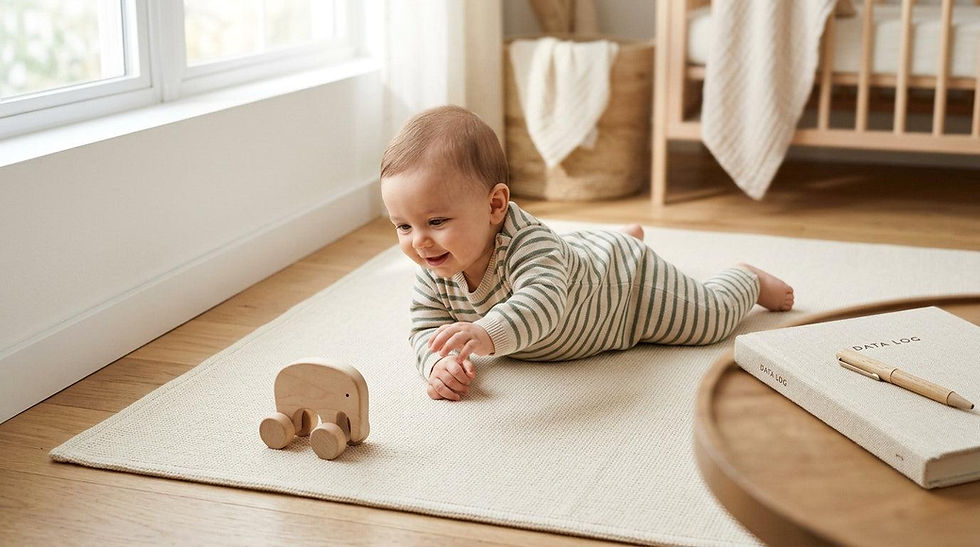
They may reach repeatedly for a particular object, watch the movement of light, or turn toward an unfamiliar sound. These small gestures offer clues about what they are ready to explore.
Inspired by the Reggio Emilia approach, our teachers use these observations to create meaningful learning opportunities. Rather than directing every experience, we follow each baby's curiosity and allow discoveries to develop naturally.
Recognizing when it's time for a pause
Exploration is exciting, but babies also need moments of rest.
Looking away, rubbing their eyes, becoming unusually quiet, or showing signs of fussiness may indicate that a baby is tired or needs a break. These cues can vary from child to child.
Our teachers respond by adjusting the environment, offering comfort, or providing a quieter space.
Learning also means recognizing when a child has had enough stimulation and needs time to recharge.
Understanding each baby together
No two babies communicate in exactly the same way. What signals tiredness for one infant may mean something different for another.
Families know their babies in ways that are invaluable to us. Through daily conversations and updates on Procare, we exchange observations about routines, preferences, and changes in behavior.
This ongoing partnership helps us respond with greater understanding and consistency.
Reading a baby's cues is not about getting every response perfect. It is about remaining attentive, patient, and willing to learn from the child.
Through these small moments of observation and connection, we help each infant feel heard, respected, and understood.


Comments